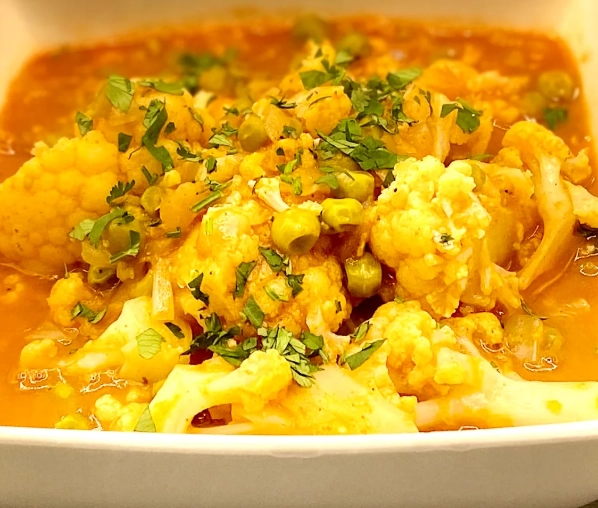
Let's be honest. Most lamb kabobs you get at home are either chewy, dry, or bland. The ones at that Mediterranean restaurant down the street? They're juicy, bursting with flavor, and have that perfect char. What's their secret? It's not magic. After years of trial and error (and some truly disappointing backyard BBQs), I cracked the code. Making incredible lamb kabobs at home boils down to three non-negotiable things: the right cut of meat, a marinade that actually works, and a grilling method that prioritizes juiciness over speed. This guide walks you through all of it.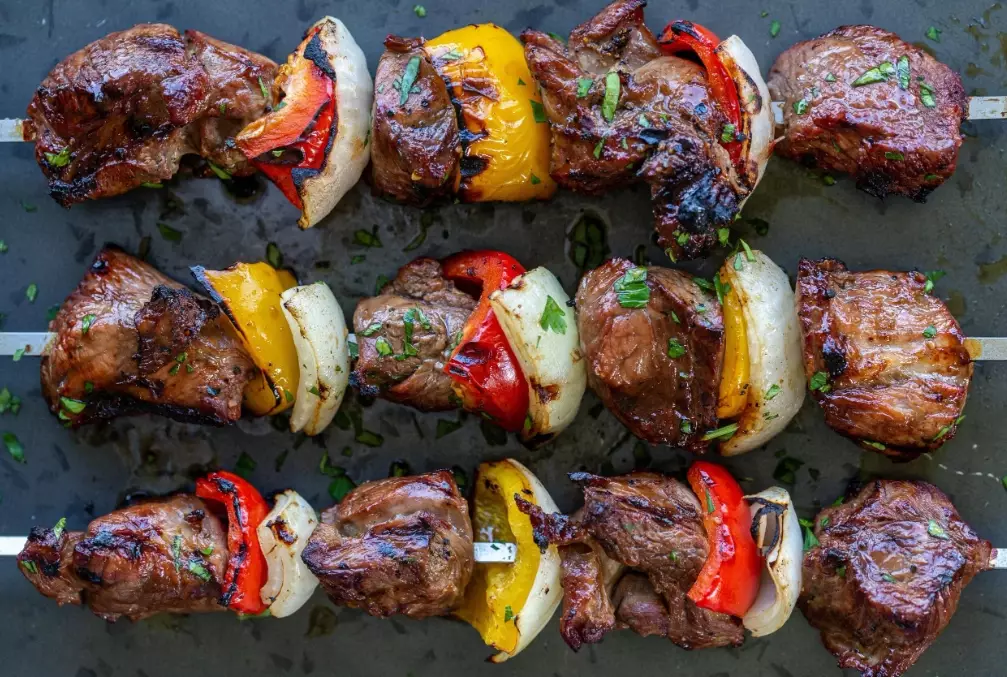
What's Inside: Your Kabob Journey
How to Choose the Best Lamb for Kabobs?
This is where most recipes fail you. They just say "use lamb." That's like saying "use a car" without specifying if it's a minivan or a sports car. The cut determines everything—texture, flavor, and price.
You want a cut with some fat marbling and connective tissue. Fat equals flavor and juiciness. Lean cuts like loin will tighten up and become tough on the grill.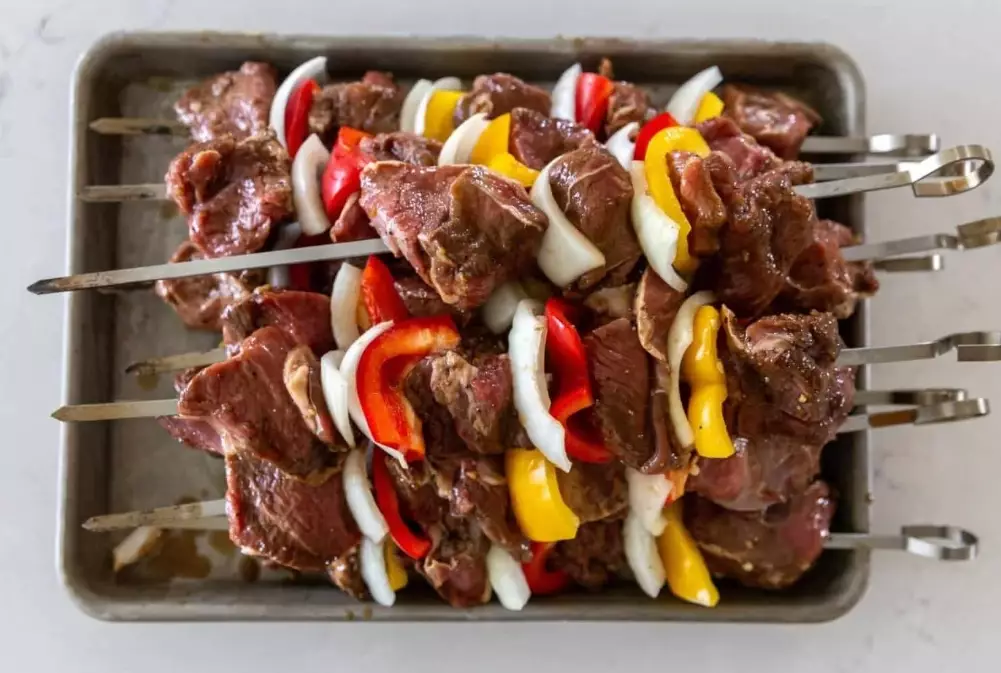
| Best Cut for Kabobs | Why It Works | Price Point & Notes |
|---|---|---|
| Lamb Shoulder (Boneless) | My top choice. It has perfect intramuscular fat, stays incredibly juicy, and absorbs marinade beautifully. It's forgiving. | Moderate. Most cost-effective for flavor. Ask your butcher to trim excess hard fat. |
| Leg of Lamb (Top Round or Sirloin) | Leaner but still great. Has a meatier, slightly gamier flavor. Requires more precise cooking to avoid dryness. | Moderate to High. Look for sections with visible marbling. |
| Lamb Neck | The hidden gem. Unbelievably flavorful and tender when cubed. Can be harder to find. | Low to Moderate. Often sold as stew meat, perfect for kabobs. |
| Pre-Cubed "Kabob" Meat | The risky option. Convenient, but often a mix of trimmings. Quality and fat content are unpredictable. | Varies. Inspect the package—avoid pieces that look all lean or are different sizes. |
For a crowd, I always go with lamb shoulder. Last summer, I bought a whole boneless shoulder from a local halal butcher for about $8.99 a pound. I cubed it myself, which took 10 minutes, and saved a fortune compared to pre-cut. The difference in uniformity was huge.
Pro Tip: Regardless of the cut, cube your meat to 1 to 1.5-inch pieces. Uniform size is critical for even cooking. If one piece is tiny and another huge, you'll have a mix of charcoal and raw meat on the same skewer.
What's the Secret to a Flawless Lamb Kabob Marinade?
The marinade has two jobs: add flavor and tenderize. Most recipes get the flavor part right but fail on tenderizing. Acid (like lemon juice or yogurt) is often touted as the tenderizer, but here's the non-consensus truth: for lamb, enzymatic tenderizers work better than acidic ones. Acid can actually start to "cook" the surface of the meat, making it mushy if left too long, without penetrating deeply.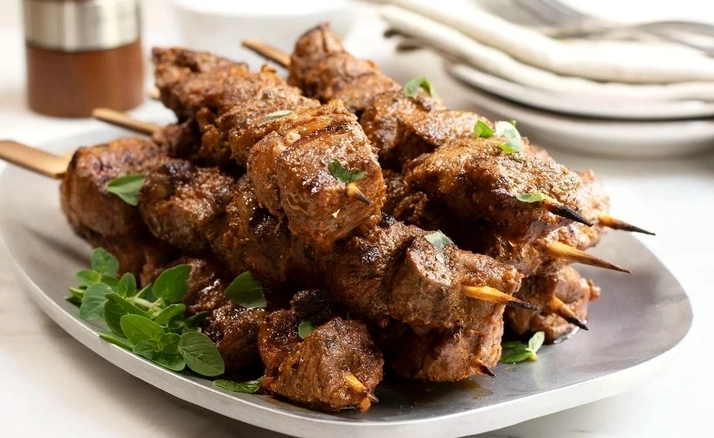
My base marinade uses grated onion and kiwi or papaya (natural enzyme sources) for tenderizing, and olive oil, garlic, and spices for flavor. The yogurt-based marinade is a classic, but I find the enzyme-based one gives a more consistently tender bite.
The All-Purpose Enzyme-Powered Marinade
- 1/2 large onion, grated (this is key—the juices are the tenderizer)
- 3 tbsp olive oil
- 4 cloves garlic, minced
- 1 tbsp smoked paprika (adds a depth regular paprika lacks)
- 2 tsp ground cumin
- 1 tsp ground coriander
- 1 tsp dried oregano
- 1/2 tsp cinnamon (trust me, it's magical with lamb)
- 1/2 tsp black pepper
- 1.5 tsp salt
- Optional: 2 tbsp chopped fresh mint or parsley
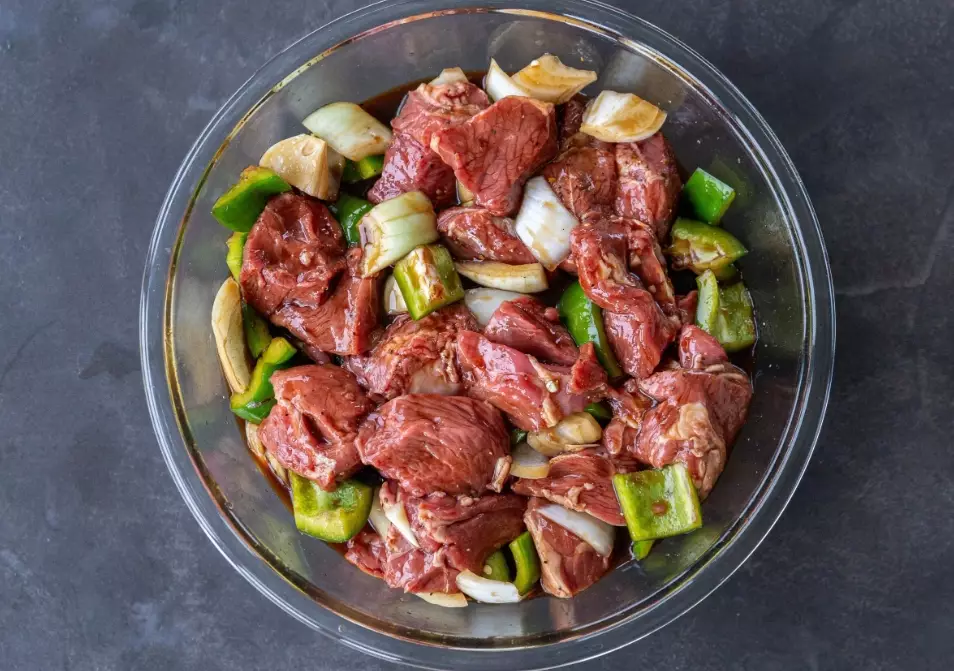
Mix everything in a bowl. Toss with 2 lbs of cubed lamb in a zip-top bag or container. Marinate in the fridge for at least 4 hours, and up to 12 hours. The grated onion's enzymes work wonders in that time. Don't go over 24 hours, or the texture can become too soft.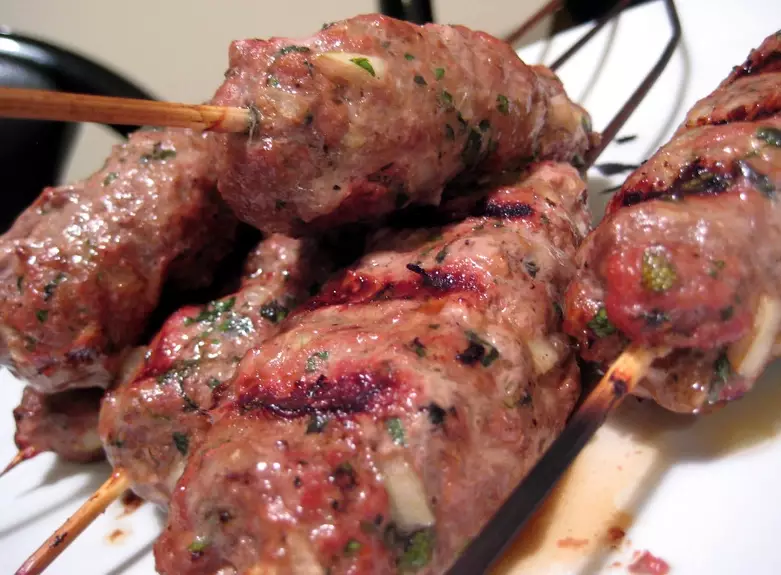
The Big Mistake: Don't marinate at room temperature. Ever. Bacteria grows fast. Always keep it refrigerated. If you're using wooden skewers, soak them in water for at least 30 minutes while the meat marinates to prevent them from burning on the grill.
Step-by-Step Guide to Grilling Perfect Lamb Kabobs
Grilling is where confidence matters. You're not just heating food; you're creating flavor with fire.
1. Prep and Skewer: Take the meat out of the fridge 30 minutes before grilling. Pat the cubes dry with a paper towel. This is crucial—wet meat steams instead of sears. Thread the meat onto skewers, leaving a tiny gap between pieces for heat circulation. Don't pack them tightly.
2. Heat the Grill: You need a two-zone fire. For gas, heat all burners to high, then turn off one burner for the indirect zone. For charcoal, pile the coals on one side of the grill. Aim for a grate temperature of about 450-500°F (230-260°C) over the hot side. A hot grill is non-negotiable for a good sear.
3. Grill with Strategy: Place the skewers over the direct, high heat. Don't touch them for 2-3 minutes. You want a proper crust. Then, flip and sear the other side for another 2-3 minutes. At this point, they'll be nicely charred but still rare inside.
4. Finish with Indirect Heat: Move the skewers to the cooler, indirect side of the grill. Close the lid. Let them cook gently for another 5-8 minutes, depending on your desired doneness. This gentle finish cooks the interior evenly without torching the outside.
5. Check for Doneness: Use an instant-read thermometer. For medium-rare, pull them at 135°F (57°C). For medium, 145°F (63°C). Remember, the meat will carryover cook a few degrees after resting. The USDA recommends a safe minimum temperature of 145°F for lamb with a rest time.
6. Rest: This is the step everyone skips. Take the kabobs off the grill, tent loosely with foil, and let them rest for 5-7 minutes. The juices redistribute. If you cut into them immediately, all those precious juices end up on your plate, not in the meat.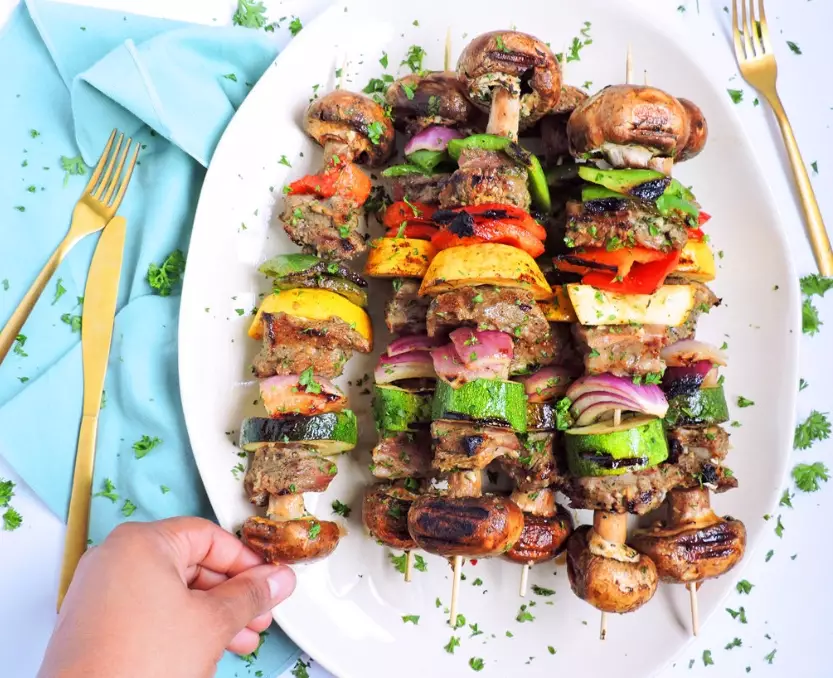
Common Lamb Kabob Mistakes and How to Avoid Them
I've made these so you don't have to.
- Mistake 1: Using lean, expensive cuts. Result: Dry, tough kabobs. Fix: Use shoulder or leg with fat.
- Mistake 2: Marinating for only 30 minutes. Result: Bland meat. Fix: Give it at least 4 hours. Overnight is better.
- Mistake 3: Putting cold meat on the grill. Result: Uneven cooking; charred outside, cold inside. Fix: Let it sit out for 20-30 minutes before grilling.
- Mistake 4: Constantly flipping the skewers. Result: No proper sear, meat sticks to the grate. Fix: Sear one side fully before even thinking about flipping.
- Mistake 5: Skipping the rest. Result: Juicy meat on the cutting board, dry meat on your skewer. Fix: Rest. Every. Single. Time.
Serving Suggestions and Side Dishes
Lamb kabobs are the star, but the supporting cast matters.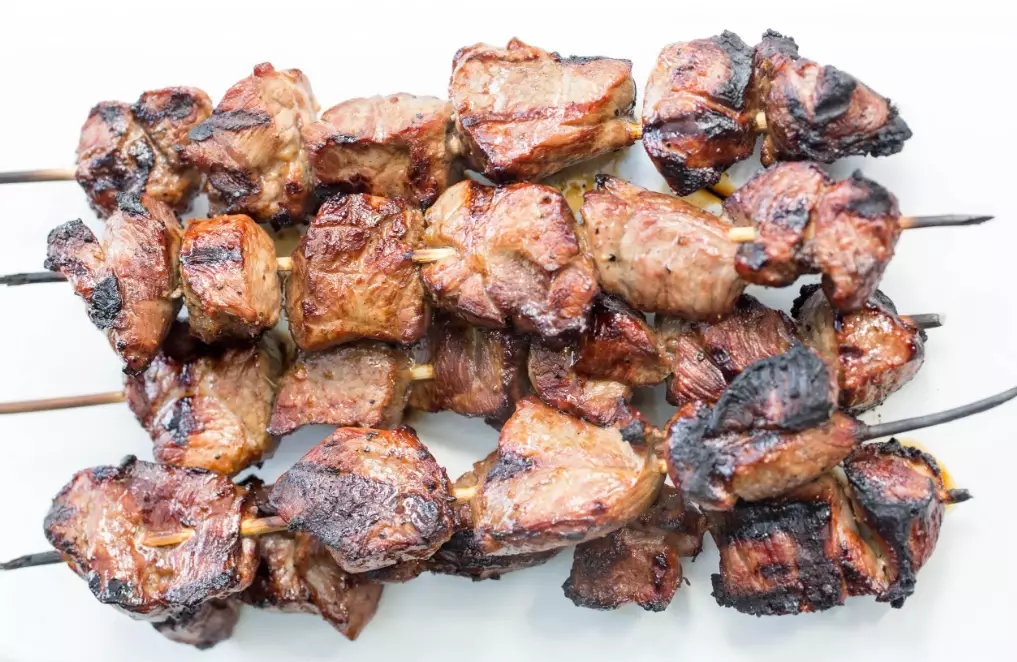
Classic Pairings: Serve on a bed of fluffy basmati rice or warm pita bread. A simple salad of chopped tomatoes, cucumber, red onion, and parsley with a lemon-olive oil dressing (think a deconstructed Greek salad) cuts through the richness. Tzatziki sauce is a must—cooling yogurt with cucumber and dill.
For a Full Feast: Add grilled vegetables on skewers—bell peppers, red onions, and zucchini work great. A bowl of hummus and some olives turn it into a spread. For a drink, a bold red wine like a Shiraz or a chilled, dry rosé pairs beautifully.
Leftovers? Take the meat off the skewers and toss it into a salad for lunch the next day, or wrap it in a pita with some greens. It reheats surprisingly well.
FAQs: Your Lamb Kabob Questions Answered
Can I make lamb kabobs ahead of time for a party?
Absolutely, and it's a smart move. Marinate the meat and thread the skewers the day before. Keep them covered on a tray in the fridge. Take them out 30 minutes before grilling. This actually improves flavor penetration and makes your party day much easier.
My lamb kabobs always stick to the grill. What am I doing wrong?
Three culprits: a cold grill, wet meat, or moving them too soon. Ensure your grates are screaming hot and well-oiled (use tongs and a paper towel dipped in oil). Pat the marinated meat cubes dry before skewering. And once you place them down, have the patience to let a crust form—it will release naturally.
 What's a good substitute for yogurt in a marinade if I'm dairy-free?
Skip the yogurt-based marinade entirely and use the enzyme-based one I provided (with grated onion). It's dairy-free by design and, in my opinion, produces a more tender result. The onion juice acts as the tenderizer, no dairy needed.
How do I know when the lamb kabobs are done without cutting into them?
Stop guessing. Invest in a cheap instant-read digital thermometer. It's the single most useful tool in your kitchen for grilling. For medium-rare, aim for 135°F in the thickest cube. The color will be a uniform pinkish-red inside with a nice brown sear outside.
Can I cook lamb kabobs in the oven or on a stovetop grill pan?
You can, but you'll miss the smoky flavor. For the oven, use the broiler on high. Place skewers on a wire rack over a baking sheet, positioned close to the broiler element. Broil for 3-4 minutes per side, watching closely to avoid burning. A grill pan on high stovetop heat works well for the sear—just make sure your kitchen is well-ventilated.